When Your Heart Skips More Than a Beat: Atrial Fibrillation Unveiled

It is important to understand heart rhythm irregularities because they can go from being nothing serious to very serious. A leading reason for these palpitations is atrial fibrillation, which describes the heart’s upper chambers as being unpredictable or irregular in rhythm. Millions are affected by atrial fibrillation and if it stays untreated or unrecognized, it can seriously disrupt their daily tasks. This blog describes atrial fibrillation and its many areas—including the causes, symptoms, ways to diagnose it, management and necessary lifestyle adjustments.
What is Atrial Fibrillation, Exactly?
Atrial fibrillation (AFib) is a heart condition where the electrical system that manages heartbeats is not working properly. Usually, the heart’s rhythm is controlled by a set of specialized cells called the sinoatrial (SA) node found in the right atrium (the top right chamber of the heart). The SA node regularly sends out pulses that tell the atria to squeeze and move blood into the ventricles, which then send the blood to the body. When your heart is without arrhythmias, the procedure leads to a steady rhythm, which usually falls between 60 and 100 beats per minute.
However, what happens during atrial fibrillation is that multiple fast electrical signals are heard inconsistently from diverse points inside the atria. Rather than a coordinated contraction, the atria quiver or “fibrillate,” dropping their potential to settle correctly. Consequently, the ventricles obtain chaotic impulses, causing them to contract irregularly and frequently rapidly. Because the atria aren’t pumping blood correctly, blood can pool and shape clots—elevating the threat of stroke if a clot travels to the brain.
There are four diagnosed subtypes of AFib:
1. Paroxysmal AFib: Episodes begin and resolve on their own within seven days (regularly within 24 hours).
2. Persistent AFib: Episodes ultimately longer than seven days and commonly require medical intervention (like medicines or cardioversion) to restore a normal rhythm.
3. Long-Standing Persistent AFib: AFib that lasts constantly for greater than one year, often requiring more substantial treatments.
4. Permanent AFib: The heart stays in AFib permanently despite attempts to restore an ordinary rhythm; treatment pursuits to regulate charge and reduce headaches.
Recognizing which subtype applies is crucial due to the fact that treatment dreams and strategies differ. Paroxysmal cases can be managed conservatively, while continual or everlasting AFib regularly calls for greater competitive interventions to prevent complications.
Causes and Risk Factors: Why AFib Happens
The exact trigger for atrial fibrillation can range broadly, concerning an interplay of genetic, structural, and lifestyle factors. To recognize the foundational causes allows us to apprehend how the heart’s electric circuitry may be disrupted.
• Underlying Heart Conditions: The most significant drivers are structural or functional heart diseases, including high blood pressure (hypertension), coronary artery disease, valvular coronary heart disease (in particular mitral stenosis or regurgitation), and heart failure. When the atria are stretched or scarred—because of longstanding hypertension, for example—they end up extra liable to the chaotic electrical activity underlying AFib.
• Lifestyle Factors: Excessive alcohol intake (regularly known as “excursion heart syndrome” while binge ingesting triggers AFib), smoking, weight problems, and persistent pressure can all increase the danger. Even a few drinks too many can precipitate a bout of atrial fibrillation in susceptible individuals.
• Other Health Issues: Conditions that affect the frame systematically—like thyroid disorder (mainly hyperthyroidism), sleep apnea, and chronic lung diseases—also can contribute. For instance, untreated sleep apnea can lead to intermittent oxygen drops during sleep, placing stress on the heart and triggering arrhythmias.
• Age and Genetic Predisposition: Although AFib can occur at any age, it becomes increasingly more unusual in human beings over sixty-five. Some families deliver genetic mutations that predispose them to AFib even in the absence of traditional danger factors, pointing to the function of heritability.
Symptoms: When to Pay Attention to That Flutter
Spotting atrial fibrillation symptoms early could make a significant difference in preventing complications. Yet, symptoms can range from dramatic to truly nonexistent.
• Palpitations: Most people describe this as a fast, irregular beating—often felt in the chest, throat, or neck. It can be intermittent (coming in waves) or continual, once in a while observed by using a sensation that the heart is flip-flopping or quivering.
• Shortness of Breath: Because the atria aren’t contracting efficaciously, much less blood reaches the ventricles and, with the aid of extension, the rest of the frame. You might emerge winded after minimum exertion—like climbing a flight of stairs—that by no means used to undertaking you.
• Fatigue and Weakness: With an abnormal rhythm, the heart’s pumping efficiency drops. Over time, this indicates your tissues receive much less oxygen-rich blood, leading to feelings of common lethargy or a general weakness.
• Dizziness or Lightheadedness: A speedy ventricular rate can reduce cardiac output, causing low blood pressure and resulting in dizziness. In excessive instances, short fainting spells (syncope) may occur.
• Chest Discomfort: Although no longer as commonplace as with a coronary heart attack, AFib can cause a dull pain or pressure-like sensation within the chest, particularly if the ventricles are beating very swiftly.
• Silent AFib: Troublingly, up to one-third of human beings with Atrial fibrillation have no substantial signs. It may be detected incidentally in the course of an ordinary examination or ECG, for instance, while a medical doctor notes an abnormal pulse. These individuals face the equal dangers of stroke and coronary heart failure, but regularly don’t get recognized till a critical difficulty arises.
How Doctors Diagnose Atrial Fibrillation?
If you arrive at your medical doctor’s office reporting intermittent palpitations or unexplained fatigue, the diagnostic adventure typically starts with a thorough evaluation of your records and a physical exam. Here’s what you may count on:
1. Pulse Check and Physical Examination: A simple pulse check may additionally reveal an abnormal, rapid rhythm. The doctor will pay attention to strange coronary heart sounds and check for signs and symptoms of coronary heart failure (like fluid accumulation within the lungs).
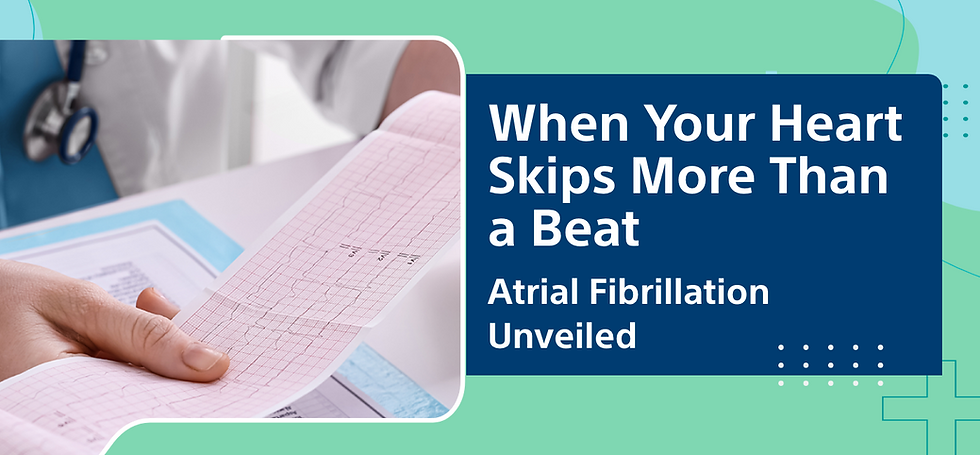
2. Electrocardiogram (ECG/EKG): The gold standard for preliminary detection. This noninvasive take a look at information about the heart’s electrical activity through placing electrodes on the chest, arms, and legs. AFib on an ECG shows absent P waves (representing prepared atrial contractions) and irregularly abnormal R–R durations (the timing among ventricular beats).
3. Holter Monitor: For sufferers with episodic palpitations, a 24- to 48-hour Holter monitor (ambulatory ECG) can seize fleeting bouts of AFib that may not show up at some stage in a brief workplace ECG.
4. Event Recorder or Loop Recorder: If palpitations arise occasionally (weeks to months apart), a wearable event recorder can be activated via the affected person when symptoms strike. For even longer-term tracking, an implantable loop recorder can track heart rhythms for up to 3 years, alerting physicians to otherwise undetected arrhythmias.
5. Echocardiogram (Echo): This ultrasound of the heart assesses structural functions—like atrial length, ventricular characteristics, and valve integrity—that may underlie AFib. It also allows ruling out situations consisting of valvular coronary heart disorder or cardiomyopathy.
6. Blood Tests: Thyroid-stimulating hormone (TSH) stage test for hyperthyroidism, which can cause AFib. Electrolytes, kidney function checks, and anemia panels assist in discovering other contributing elements.
7. Stress Tests and Imaging: In sufferers with known coronary artery disorder or chest pain, a stress test (exercising or pharmacologic) can also determine if ischemia is a cause. Cardiac MRI or CT scans are probably ordered to assess scarring or other structural abnormalities.
Early detection no longer only confirms that atrial fibrillation symptoms are due to AFib but also exhibits any underlying situations that require simultaneous management—important steps to save you from the development and complications.
Living with AFib: What Patients Should Know
An analysis of AFib may also sound ominous; however, many humans lead complete, active lives once they adapt to their treatment routine and lifestyle changes. Here are realistic issues for everyday dwelling:
• Regular Monitoring and Follow-Up: Whether on anticoagulants or antiarrhythmic tablets, regular observation—blood work, ECGs, and consultations—ensures that treatment remains safe and effective. Many medical doctors recommend tests every 3 to 6 months, or more often if medication modifications are needed.
• Medication Adherence: Skipping doses of anticoagulants or price-controlling pills may have extreme effects—recurrent AFib episodes or increased stroke hazard. Using tablet organizers, putting telephone alarms, or linking medicine consumption to daily routines (like brushing teeth) can help maintain consistency.
• Coping with Anxiety: The unpredictability of atrial fibrillation symptoms can fuel fear. Joining an aid organization—whether in person or online—allows for sharing stories, offering pointers, and providing reassurance that one isn't alone. Many find that cognitive-behavioral techniques, mindfulness, and gentle exercise (such as yoga or tai chi) also help ease anxiety.
• Wearable Health Tech: Smartwatches and fitness trackers ready with pulse sensors can detect abnormal rhythms. While now not a substitute for clinical-grade ECGs, gadgets like the Apple Watch or Fitbit can alert customers to ability AFib episodes, prompting timely medical attention.
• Exercise and Activity: Regular mild workout is beneficial—on foot, swimming, or cycling for half an hour most days of the week can improve cardiovascular health and help maintain a wholesome weight.
However, it’s smart to talk about workout plans with a heart specialist, specifically if signs flare or if you’re on rate-controlling medications that can limit exertional tolerance.
• Diet and Hydration: A balanced weight loss plan rich in fruits, vegetables, whole grains, and lean proteins promotes coronary heart health. Avoid excessive caffeine and alcohol, each regarded as triggering palpitations and arrhythmias in sensitive people. Staying well-hydrated allows for the prevention of electrolyte imbalances, which could precipitate AFib episodes.
When to Seek Immediate Help:
Although many AFib episodes are not clinical emergencies, if you experience severe chest ache, shortness of breath, fainting, or palpitations coupled with dizziness that doesn’t subside, call emergency services. These ought to signal a more severe arrhythmia, heart attack, or stroke in development.
Prevention Tips: Keeping the Heart in Sync
Preventing Atrial fibrillation altogether—or as a minimum, minimizing its frequency and severity—regularly centers around controlling modifiable risks and maintaining typical cardiovascular health:
1. Manage Blood Pressure and Cholesterol: Keep high blood pressure under tight control via medication, nutritional sodium reduction, and regular exercise. Elevated LDL cholesterol can result in coronary artery disease, which predisposes to AFib.
2. Adopt a Heart-Healthy Diet: The DASH food regimen (Dietary Approaches to Stop Hypertension) or the Mediterranean diet—emphasizing fruits, veggies, nuts, whole grains, lean proteins, and healthy fats—has been connected to decreasing AFib occurrence. Omega-three fatty acids (from fish, flaxseeds) may exert antiarrhythmic effects.
3. Limit Alcohol and Caffeine Intake: While slight coffee consumption appears safe for most, high doses can trigger palpitations. Binge ingesting, even sometimes, can cause “excursion heart syndrome”—AFib episodes in otherwise healthy individuals. Stick to slight alcohol limits or abstain if you note any hyperlink between consuming and palpitations.
4. Maintain a Healthy Weight: Obesity increases atrial length and stress, each of which predisposes to AFib. Even a modest five–10% weight loss can substantially lessen the prevalence of arrhythmias. Incorporating a healthy diet for weight loss along with regular exercise can significantly improve cardiovascular function and lower the risk of atrial fibrillation.
5. Stay Active: Aim for a minimum of one hundred fifty minutes of moderate cardio exercise weekly. Extreme persistence sports (like extremely long marathons) in untrained individuals can, every now and then, cause AFib. Consult a healthcare company earlier than embarking on severe education regimens.
6. Monitor Sleep Quality: If you snore heavily, wake gasping for air, or experience fatigue in daylight hours, get screened for sleep apnea. Treating this common situation with CPAP can reduce AFib recurrences.
7. Stress Management: Chronic pressure and anxiety elevate adrenaline and cortisol, which could precipitate arrhythmias. Techniques like meditation, deep-breathing exercises, or counseling can mitigate those outcomes.
8. Stay Hydrated and Maintain Electrolyte Balance: Especially throughout hot climates or severe workouts, dehydration can lead to electrolyte imbalances (potassium, magnesium) that disturb cardiac conduction. Drink water regularly and consider electrolyte supplements in case you sweat profusely.
By proactively addressing these lifestyle factors, people can drastically decrease their risk factors of developing atrial fibrillation or minimize the severity and frequency of episodes if they have already developed the condition.
Conclusion:
Atrial fibrillation is by far more than a fleeting annoyance—it carries significant dangers that warrant appreciation and well-timed intervention. From figuring out Atrial fibrillation symptoms, which include palpitations, shortness of breath, and fatigue, to knowing what happens during atrial fibrillation —with the atria quivering in preference to contracting—information equips patients to act unexpectedly. Early detection, frequently through easy tools like an ECG or Holter reveal, paves the way for treatments aimed at stroke prevention, fee and rhythm control, and control of underlying conditions.


Comments